
Reducing food waste at home is a smart way to save money, conserve resources, and protect the environment. Every year, millions of tons of food go uneaten and end up in landfills, producing greenhouse gases and wasting valuable materials used in food production. Fortunately, there are many easy and effective strategies you can implement in your daily routine to minimize food waste. This post offers practical tips to help you make the most of your groceries and contribute to a more sustainable lifestyle.
Understand the Impact of Food Waste
Before diving into tips, it’s helpful to know why reducing food waste matters:
– Environmental impact: Uneaten food generates methane, a powerful greenhouse gas, when it decomposes in landfills. Also, wasted food means wasted water, energy, and labor that went into growing, processing, and transporting it.
– Economic loss: Throwing out food means throwing out money. Reducing waste helps you stretch your food budget further.
– Moral consideration: Reducing food waste means more efficient use of resources and less pressure on supply chains.
Plan Your Meals and Shop Smartly
Make a Weekly Meal Plan
Planning meals ahead makes grocery shopping more focused. When you know what you plan to cook, you can buy only what you need.
– Write down meals for the week.
– Check your pantry and fridge first.
– Incorporate leftovers into your meal plan.
Create a Shopping List and Stick to It
Impulse buys often lead to unused items. Use your meal plan to make a detailed shopping list.
– Group items by category for efficiency.
– Avoid buying in bulk unless you know you will use it.
– Consider the shelf life of perishables.
Store Food Properly
Proper storage extends the life of your food and keeps it fresh longer.
Know How to Store Different Foods
– Keep fruits and vegetables separate; some fruits emit gases that cause veggies to spoil faster.
– Store herbs in water like flowers or wrapped in damp paper towels.
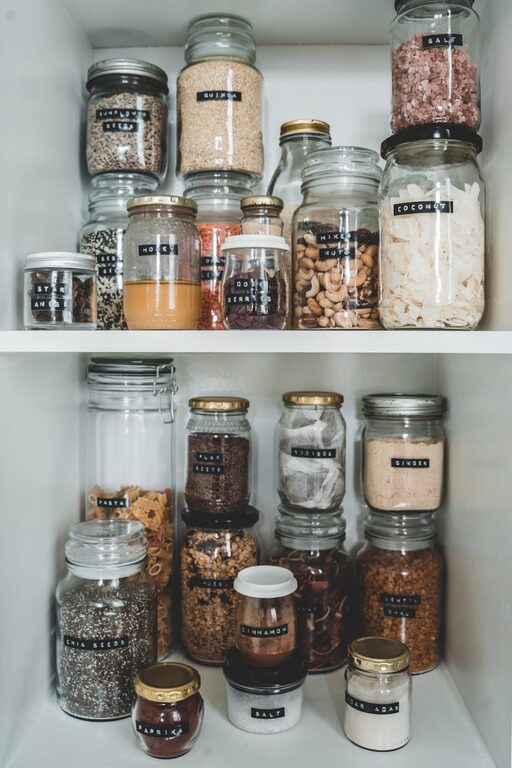
– Use airtight containers for leftovers and dry goods.
Organize Your Fridge and Pantry
– Place items with earlier expiration dates at the front.
– Use clear containers to see contents easily.
– Rotate stock regularly to use older items first (FIFO: First In, First Out).
Use Leftovers Creatively
Leftovers are a great opportunity to reduce waste.
– Repurpose dinner into lunch the next day.
– Create new dishes from leftover ingredients (e.g., make soup from veggie scraps).
– Freeze leftovers you can’t eat soon.
Understand Food Labels
Confusion between “best before,” “use by,” and “sell by” dates leads to premature disposal.
– “Best before” indicates peak quality; food is often safe after this date.
– “Use by” is a safety guideline; avoid food past this date.
– Use your senses (look, smell, taste) to judge food safety when in doubt.
Compost Food Scraps
Food scraps that are not suitable for eating, like peels and cores, can be composted instead of thrown away.
– Set up a small compost bin for kitchen scraps.
– Composting reduces landfill waste and creates nutrient-rich soil for gardening.
– If composting is not possible, some communities offer organic waste recycling.
Smaller Portions and Share Meals
Serving appropriate portions reduces uneaten food on plates.
– Start with smaller servings; go back for seconds if hungry.
– When hosting, ask guests if they want smaller portions.
– Share excess food with neighbors or donate to local food banks when possible.
Regularly Check and Maintain Your Fridge
A clean, well-functioning fridge keeps food fresher longer.
– Clean spills and expired food regularly.
– Set the fridge temperature between 35–38°F (1.5–3°C) for optimal freshness.
– Avoid overcrowding, as good air circulation is important.
Cook with All Parts of Ingredients
Food like vegetable stalks, beet greens, and chicken bones are often discarded but can be used in cooking.
– Use bones for homemade broth.
– Incorporate stems and leaves into soups, stir-fries, or salads.
– Reduce waste by getting creative with parts normally tossed.
Conclusion
Reducing food waste is achievable with some simple habits and thoughtful planning. By buying only what you need, storing food correctly, using leftovers creatively, and composting scraps, you contribute to a healthier planet and save money. Start with a few small changes today and enjoy the benefits of less waste in your home.
—
If you found these tips helpful, share them with friends and family to spread the word about reducing food waste!